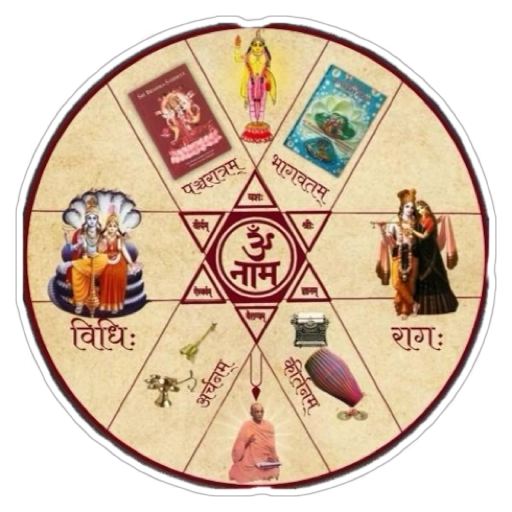
Pañca Saṁskāra (The Five Purificatory Processes) – 2
Pañca Saṁskāra (The Five Purificatory Processes) – 2
Overview
Pañca Saṁskāra (The Five Purificatory Processes) was published in Sajjana Toṣaṇī, Vol.4, Issue 1 in 1892. This was the second article written by Bhaktivinoda on this subject (the first being in Sajjjana Toṣaṇī, Vol. 2, Issue 1). This shorter article gives more details on the meaning of pañca-saṁskāra. One specific point that differs with the previous article is how the Ṭhākura defines the third process of pañca-saṁskāra, namely nāma.
by Śrīla Bhaktivinoda Ṭhākura
(Translated by Swami Bhaktivijñana Giri)
Read the related longer article on the same topic:
Pañca Saṁskāra (The Five Purificatory Processes) – 1 🔗
Those who desire to become exclusive Vaiṣṇavas adhere to the process of pañca-saṁskāra (five purificatory processes) and engage in the worship of Hari. The system of pañca-saṁskāra is seen in the smṛti:
tāpaḥ puṇḍraṁ tathā nāma mantro yāgaś ca pañcamaḥ amī hi pañca-saṁskārāḥ paramaikānti-hetavaḥ
“Exclusive bhakti arises through these five saṁskāras – tāpa (marking the body with the Names of Bhagavān), puṇḍra (marking the body with Vaiṣnava tilaka), nāma (receiving a spiritual name), mantra (receiving an initiation mantra) and yāga (sacrifice).”
In relation to tapa, the smṛti states:
hari-nāmākṣarair gātram aṅkayet candanādinā sa loka-pāvano bhūtvā tasya lokam avāpnuyāt
“Those who mark their own bodies with the Names of Hari using substances such as sandalwood purify the world and eventually reach the abode of Bhagavān.”
In the Śrī sampradāya and others, branding with a heated cakra etc. is observed, however, the āvatāra who purifies the world in Kali-yuga, Śrī Caitanyadeva, has given the instruction to mark the Name of Hari with candana. This arrangement is very beneficial for a jīva in the age of Kali.
The word puṇḍra means ūrdhva-puṇḍra. The shape of ūrdhva-puṇḍra is manifold. In a particularly auspicious manner, some draw ūrdhva-puṇḍra in the shape of Hari’s feet. Another name for ūrdhva-puṇḍra is hari-mandira (the temple of Hari). It is the solemn duty of a Vaiṣṇava to wear it.
Accepting a name suggesting servitude to Hari is called nāma. At the time when Śrī Gurudeva bestows dīkṣā upon a disciple, he mercifully assigns them a name indicative of their connection to hari-bhakti. In the Śrī Rāmānuja sampradāya, the name ‘Rāmānuja Dāsa’ is added to the names of all devotees. For example – Rāma-Kṛṣṇa Dāsa Rāmānuja Dāsa, Nārāyaṇa Dāsa Rāmānuja Dāsa etc. Reformatory names such as Śrī Govinda Dāsa, Śrī Nityānanda Dasa, Śrī Caitanya Dāsa etc. are seen in the Śrī Madhva Gauḍīya sampradāya. Spiritual names such as ‘Bahu-ratna’, ‘Kavi-Karṇapura’, ‘Prema-nidhi’ etc, were seen during the time of Śrīman Mahāprabhu’s manifest līlā. Subsequently, devotees have also received names such as ‘Bhāgavata-bhūṣaṇa’, ‘Gītā-bhuṣaṇa’, ‘Bhakti-bhūṣaṇa’ etc. *
Chanting mantras corresponding to the form of one’s iṣṭa-deva (worshippable Deity) is called mantra. Wherever the Deity of Śrī Kṛṣṇa is worshipped, mantras such as the eighteen-syllable mantra are acceptable.
The word yāga means hari–pūjā. All the divisions of the path of arcana mentioned in the śāstra are considered to be constituents of yāga mentioned in relation to pañca-saṁskāra.
O devotees! Abandon useless arguments, follow the process of pañca-saṁskāra, and engage in hari-bhajana! After observing the process of serving Kṛṣna amongst the vraja-vāsīs, if greed arises within you, then you can perform kṛṣṇa-bhajana on the path of rāgānuga. Yet if there is no such greed, but you have a taste for hari-bhajana, then continue with bhajana following the nine-fold process of bhakti. We will address all these topics in a straightforward and systematic manner.
* Footnote by Śrīla Bhaktivinoda Ṭhākura:
The other day, a devotee showed us a journal called Vaiṣṇava. Therein, we saw a surprising conclusion that it was not obligatory to accept a spiritual name. Some devotees have received names based of their devotion, such as ‘Kṛpā-datta’, ‘Bhakti-bhṛṅga’, ‘Bhakti-ratna’, ‘Bhakti-nidhi’, etc., from their respective ācāryas. It cannot be said why Vaiṣṇavas, whose everything is the Holy Name, have become so envious! It is seen that as Kali becomes stronger, the pañca-saṁskāras are being neglected. Those who possess deceitful bhakti towards Śrīman Mahāprabhu are attempting to deceive the world in various ways. We are deeply perturbed to see such envious statements made against the Vaiṣṇavas. May Śrīman Mahāprabhu be merciful to the jīvas, and inspire virtuous thoughts amongst those who are polluted by Kali.